Filter Review · April 17, 2026
Does reverse osmosis remove microplastics?
Short answer: yes, and by a huge margin. Reverse osmosis membranes have pore sizes around 0.0001 µm. The smallest microplastics in drinking water studies are around 1 µm. That's a 10,000-fold size difference. RO is the most effective residential filter technology against microplastics that exists. The catch: the membrane has to actually be working.
How RO works
A reverse osmosis system pushes tap water through a semi-permeable membrane under pressure. Water molecules pass through. Almost everything else — dissolved salts, heavy metals, PFAS, and microplastic particles orders of magnitude larger than water molecules — gets rejected and flushed to drain.
A typical residential RO system has four stages: a sediment pre-filter, a carbon pre-filter, the RO membrane itself, and a carbon post-filter. The RO membrane is where microplastic removal happens. The pre-filters protect the membrane from sediment and chlorine (chlorine degrades the membrane over time).
What the research shows
Multiple peer-reviewed studies (Pivokonsky et al. 2022, Ziajahromi et al. 2017) report RO membranes remove >99% of microplastic particles tested. The remaining <1% is typically attributed to membrane imperfections, seal issues, or post-membrane recontamination from plastic tubing or storage tanks.
In other words: the technology works. The question is whether your specific installation is working.
The ways an RO system fails
- Membrane age. RO membranes last 2–5 years under normal use. An old membrane develops micro-tears and pinholes. Replace on schedule.
- Chlorine damage. If the carbon pre-filter is expired, chlorine passes through and degrades the RO membrane. Change pre-filters every 6–12 months.
- Storage tank contamination. Some RO systems use bladder tanks with plastic bladders that can shed particles post-membrane. Choose a stainless steel or glass post-storage option if available.
- Plastic tubing downstream. Many systems use polyethylene tubing between the membrane and the faucet. Flexible plastic + time = some shedding.
- Improper installation. A leaky seal between filter stages can bypass the membrane entirely.
How to verify your RO actually works
Run the microplastic test kit for filtered water on both sides. 100 mL of tap water in one test. 100 mL from the RO spout in the other. If the RO side comes back clean (or at least dramatically cleaner), your system is working. If it comes back similar to the tap side, something in the system is broken. The reusable kit makes that comparison possible. New to this — see what a microplastic test kit is and how it works before you run one. RO is the strongest option overall — see the full comparison against Brita, PUR, ZeroWater, and Berkey.
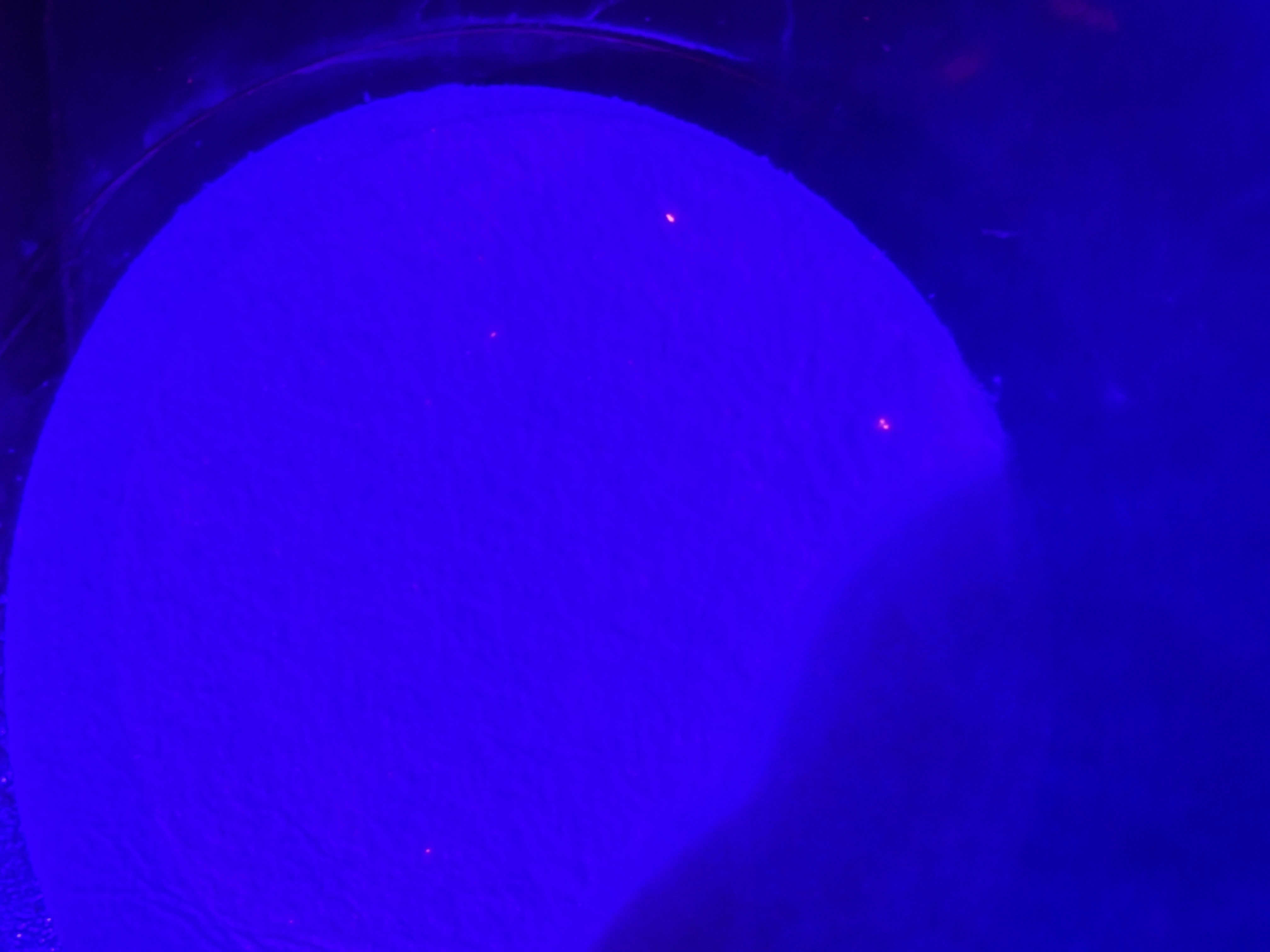
A working RO should produce a filter disc close to this baseline.
Most RO owners have never actually verified the system is doing what the install tech claimed. An $800 install and you never checked. The kit is the at-home check.
Related